

 english@jwbeauty.net
 Whatsapp
JW BREAST SURGERY
Breast surgery methods focusing on safety, shape, size, and natural feel
01
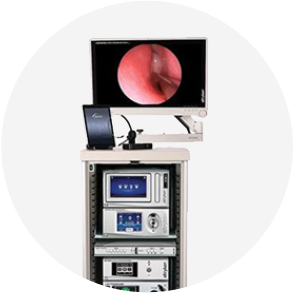
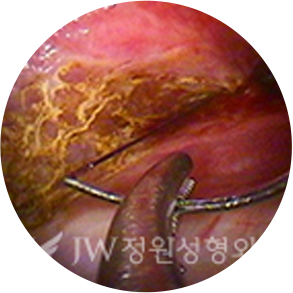
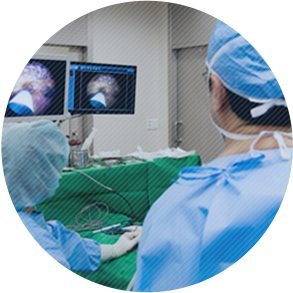
4K UHD Endoscopic Breast Augmentation
When using a 4K UHD endoscope, the breast implant pocket can be dissected with high precision, which results in minimal bleeding and pain, and lower risks of capsular contracture.
POINT 01
Beautiful and full breasts!
By inserting customized implants designed to suit each individual, we create more beautiful and fuller breasts.
POINT 02
Natural and soft texture!
The results feel soft and have a natural feel,
as if they were your own.
POINT 03
Minimized damage to major blood vessels and breast tissues!
Using 4K UHD endoscopic surgery, we can achieve a clear surgical view, which helps reduce damage to major blood vessels and surrounding tissues.
POINT 04
Minimal scarring and pain!
By minimizing bleeding and pain during surgery, the patient recovers faster, allowing a quicker return to daily life.
POINT 05
Low risk of asymmetry!
With precise dissection and methodical surgical technique, the chances of breast asymmetry are very low.
POINT 06
Minimized capsular contracture!
Through accurate surgery techniques, the risk of capsular contracture is significantly reduced.
Breast Surgery with Endoscopic Method
Minimal Incision Maximum Precision
02
The incisions are made as short as possible.
Although making longer incisions can make the surgery easier, it also results in longer scar marks. Additionally, the subcutaneous layer is meticulously sutured with dissolvable threads, and the outer skin surface is sealed with special adhesive tape, which helps minimize scarring. Patients can shower starting 2 to 3 days post-surgery and avoid the discomfort of stitch removal. For axillary incisions, the incision is made along the natural fold in the deepest part of the armpit, so after sufficient healing time, the incision line is barely visible.
Minimizing scars from axillary incisions
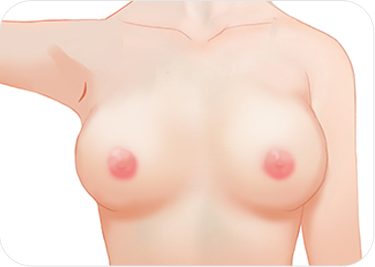
While raising and lowering the arm, the deepest and most evident fold in the armpit is identified.
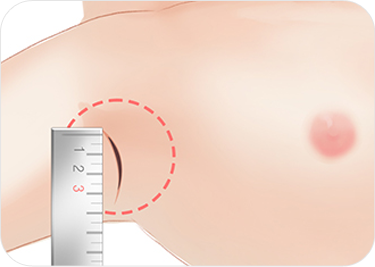
A 3.5 cm incision line is made within the deep fold so that the scar is hidden within the crease after surgery.
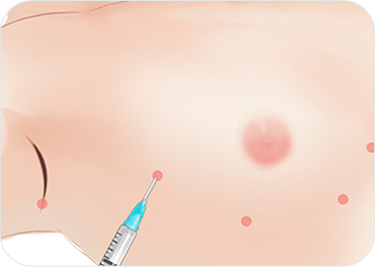
Local anesthesia and hemostatic agents are injected into the chest and armpit areas.
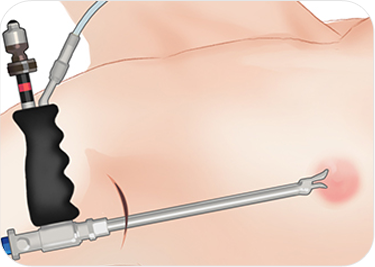
After making the incision, a 4K UHD endoscope is used to create the pocket for the implant, then the implant is inserted.
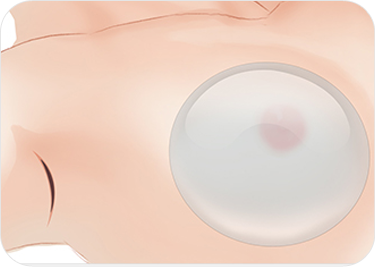
The incision is closed using facial plastic surgery techniques, minimizing and concealing any visible scarring for a seamless finish
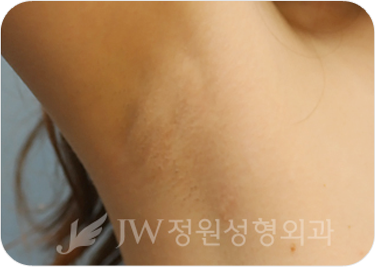
Incision line 12 months post-surgery
Minimizing scars at the inframammary fold incision
When properly performed on patients with a deep breast crease or skin laxity, scarring is minimal or barely noticeable.
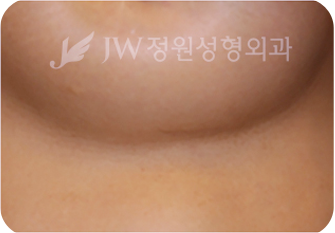
JW Inframammary Incision Scar
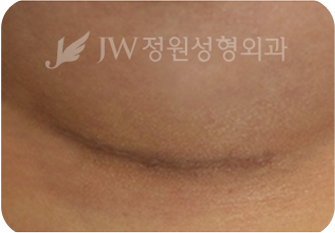
Inframammary incision scar from another clinic
Minimizing scars from areolar incisions
Unlike the conventional areolar incision, which is made in a semicircular shape, JW performs a zigzag incision along the irregular border of the areola, making the scar barely noticeable after surgery. Similarly, in the case of an inframammary incision, the scar is barely visible specially on a patient with a deep inframammary fold.

Conventional areolar incision
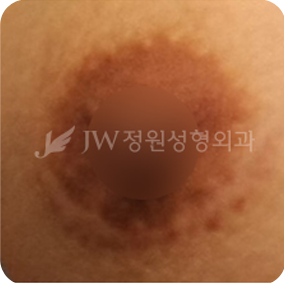
Areolar incision scar from another clinic
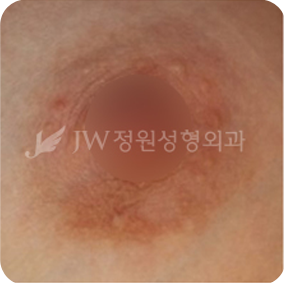
Areolar incision scar from JW Breast & Body

Zigzag areolar incision
03
Sizer
Before inserting the final implant, a sizer (a temporary implant used for measuring implant size) is used to check the breast volume, symmetry, and dissection status in
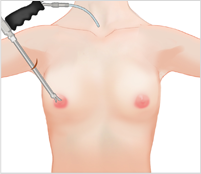
STEP 01
Using a 4K UHD endoscope specialized for breast surgery,a precise pocket is formed for implant placement.
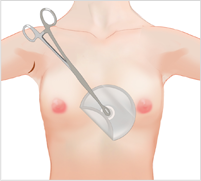
STEP 02
To design breasts that suit the patient’s body shape, a sizer is first inserted to check the dissection status and determine the most appropriate implant size.
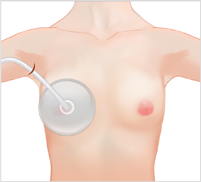
STEP 03
Based on the measurements obtained using the sizer, an implant of the corresponding size is inserted.
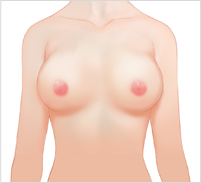
STEP 04
This method helps create beautiful, natural-looking breasts and can also correct breast asymmetry.
04
Correction of Asymmetry
It is not just about enlarging the breast, but creating a breast shape and volume that is well-balanced with the body’s proportions.
When performing breast augmentation surgery for patients with differences in breast size, shape, nipple position, degree of sagging, inframammary fold position, or chest wall asymmetry, symmetry is achieved using implants of different sizes and shapes, varying degrees of muscle dissection, different levels of inframammary fold correction, different degrees of breast lift, or through simultaneous fat grafting (Combination breast augmentation).
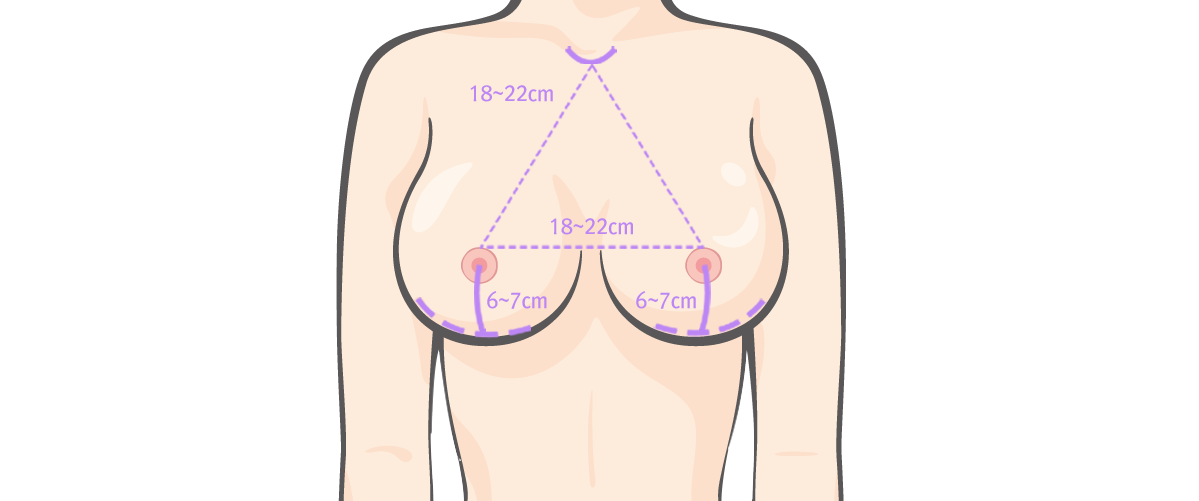
JW Plastic Surgery Breast Augmentation Implant Types
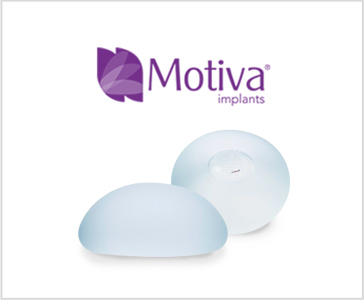
Motiva
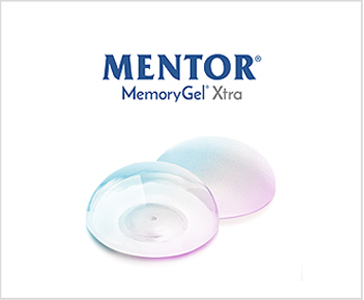
Mentor
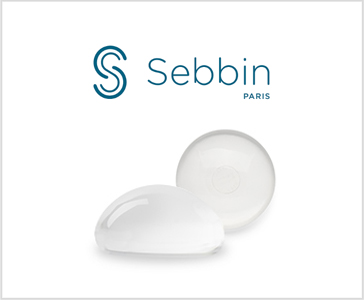
Sebbin
Considering each individual’s body shape and physical condition
Before & After Photos of Breast Augmentation Surgery
JW BREAST SURGERY
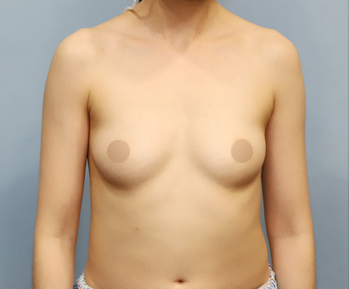
Before Surgery
You can check after logging in
3 months after surgery
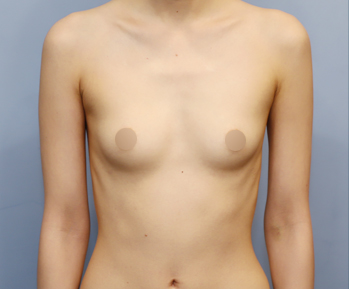
Before Surgery
You can check after logging in
4 months after surgery
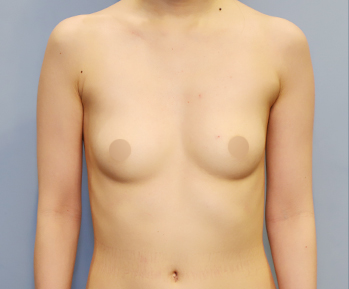
Before Surgery
You can check after logging in
5 months after surgery
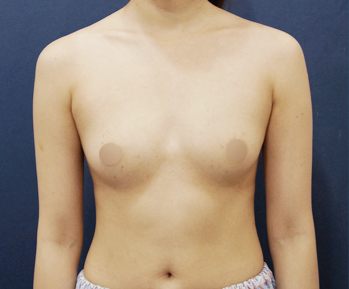
Before Surgery
You can check after logging in
6 months after surgery
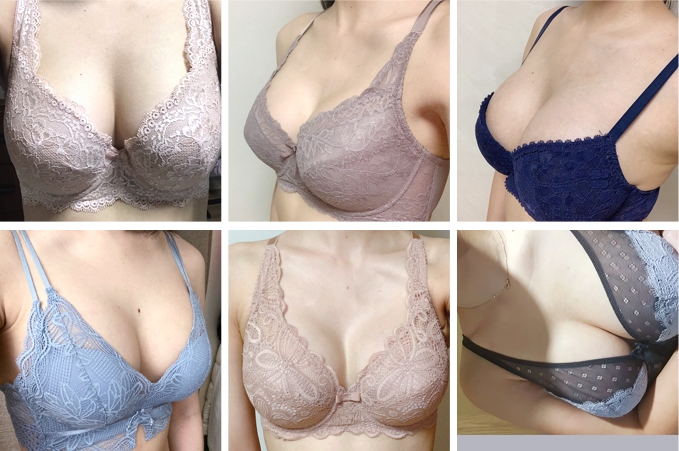
JW Plastic Surgery’s
Breast surgery, where:
SHAPE
TEXTURE
LINE
MOVEMENT
Are Natural
JW BREAST SURGERY
The Story of Breast Surgery at JW Jeongwon Plastic Surgery
01
Board-Certified Plastic Surgeon with Over 26 Years of Experience
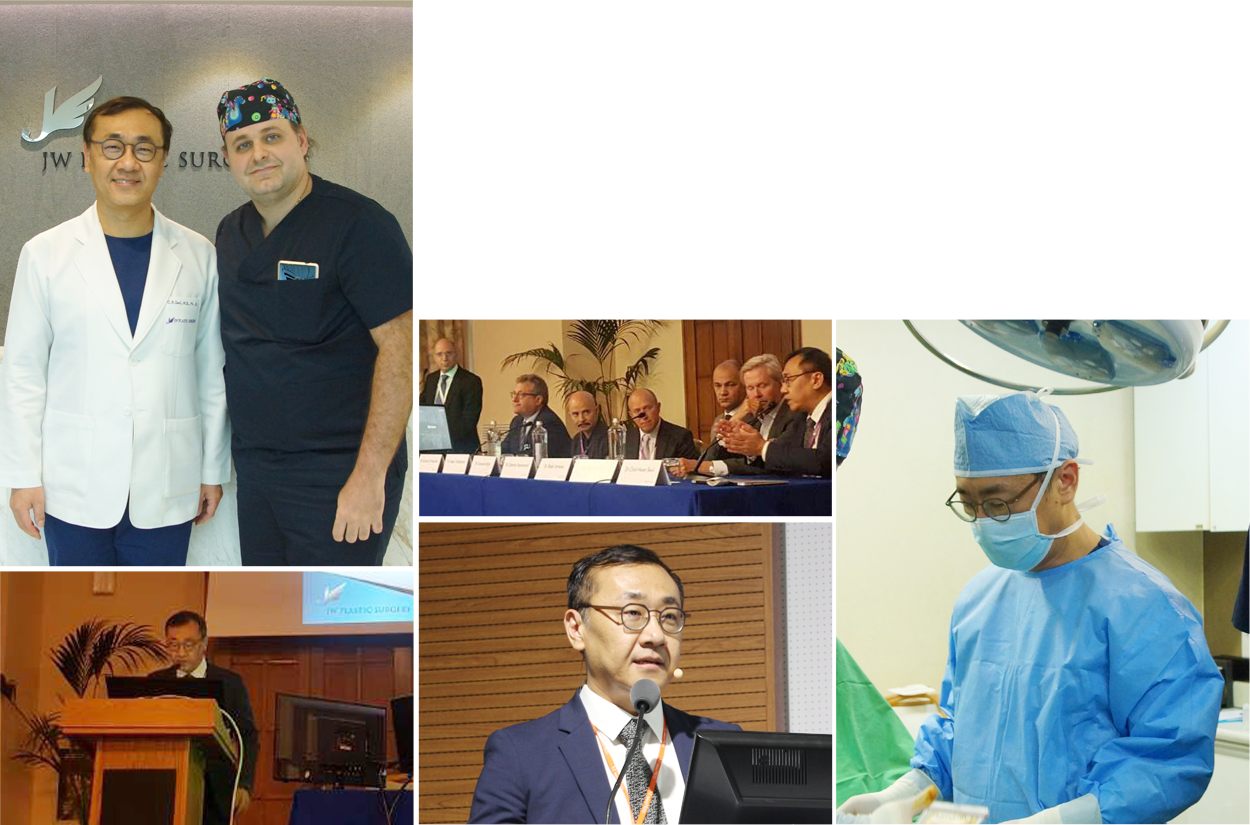
- Over 26 years of extensive experience and expertise
- Continuous research and academic activities through conference presentations and publications in the field of breast surgery
- Recognized authority in 4K UHD endoscopic breast augmentation surgery
- A trusted revision surgery center recommended by medical professionals from other hospitals
- 1:1 personalized care system designed to prevent secondary revision surgeries
02
Comprehensive Preoperative Examinations for Breast Surgery
Health assessments such as a blood test, an electrocardiogram, and a chest X-ray are conducted to check the patient’s condition before surgery. With our in-house ONE-STOP system, patients can conveniently complete all necessary preoperative tests without having to visit another hospital, namely an internal medicine clinic.
Blood test

Electrocardiogram
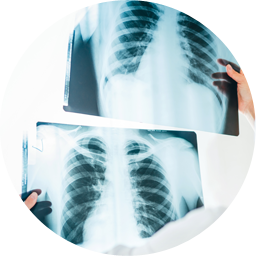
Chest X-ray

Virtual Simulation Surgery
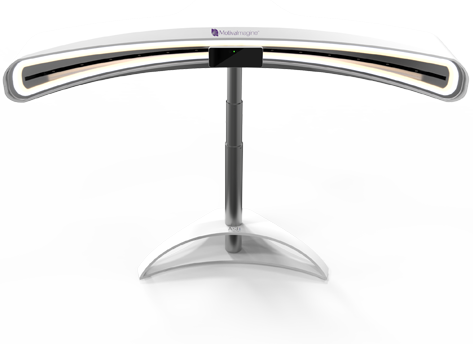
At JW Plastic Surgery,
We use a 3D body scanner to provide accurate diagnosis, and to predict surgical outcomes with higher precision.
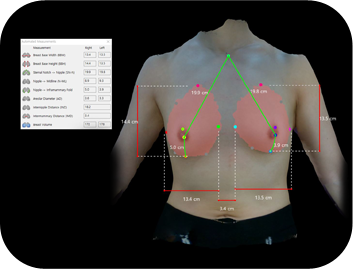
Accurate measurements
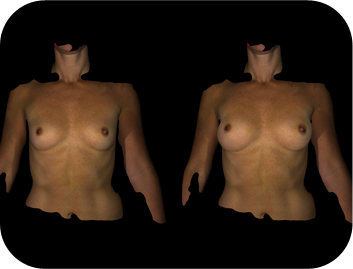
Virtual implant simulation
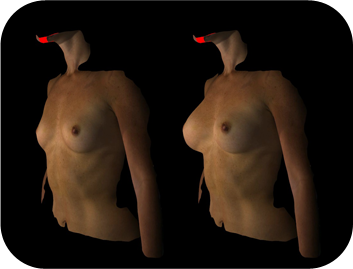
3D image viewing
Implant Fitting Experience
This program allows patients to try on specially designed bra with implants that best suit their body shape and condition, so they can get an idea the size and shape of their breasts after surgery.
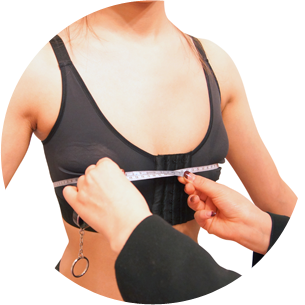
STEP 01
Accurate breast size measurement
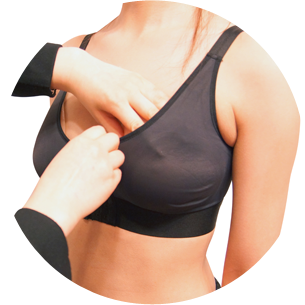
STEP 02
Implant fitting

STEP 03
Check breast fit and appearance
03
Postoperative Breast Surgery Care System
All treatments and follow-ups are personally performed by the operating surgeon.
Day 1 post-surgery
Check for any bleeding and perform the first treatment.
Day 2~3 post-surgery
Waterproof tape is applied over the incision site. (Full-body showers are allowed from this day.)
7 Days After Surgery
All tapes are removed. As there are no skin sutures, there is no need for stitch removal, and no suture-related scarring remains
1 Month Post-Surgery
Scar and whitening ointments are prescribed. Patients may switch from the surgical bra to a regular bra. (It is recommended to choose a regular bra that does not affect breast shape.)
Every 3 Months
Continuous follow-ups, up to 1 year
After 1 Year
Regular check-ups are completed after one year, but patients can continue to receive long-term follow-up care from their surgeon if needed.
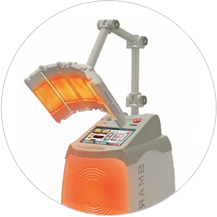
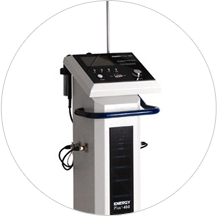
LED Light Therapy
Promotes blood circulation and romotes deswelling
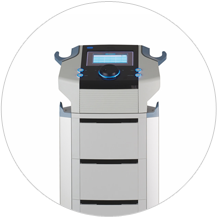
High-Frequency Thermal Therapy
Promotes blood circulation and reduces swelling
Capsulitis Treatment
Prevents capsular contracture, relieves swelling and pain
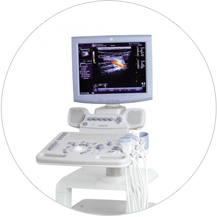
Breast Ultrasound
Implant check
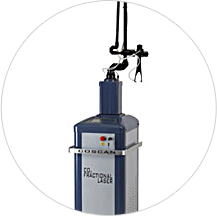
Hematoma Laser & Injection
Hematoma treatment
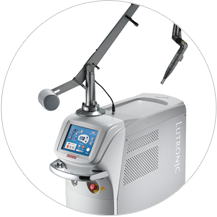
Scar Whitening Laser
Treats pigmentation caused by hematoma
Prescription of Special Medication
In some cases, specific medication may be prescribed to help achieve a more natural breast appearance after surgery. These medications are carefully selected based on clinical research and help minimize capsular contracture, even in patients who are prone to developing it due to their body type.
Wearing a Special Surgical Bra
Even when both sides are made as symmetrical as possible during breast augmentation, the implant position may shift over time depending on daily habits or the characteristics of the breast tissue. For example, right-handed individuals use their right arm and chest muscles more, and since the heart is located on the left side, the height and angle of the ribcage can differ between the two sides.
The surgical bra helps maintain proper implant positioning, preventing displacement and providing consistent control. Additionally, after augmentation surgery, the inframammary fold can sometimes appear unclear, leading to an unnatural breast shape. The surgical bra supports the inframammary fold and enhances the lower breast area, helping to create a more natural contour.
At JW Jungwon Plastic Surgery, we provide a special surgical bra free of charge, and during follow-up visits, our medical team adjusts the bra fit to ensure it perfectly matches your breast shape.
04
Surgical Safety Management System
01
Infection prevention through a thorough sterilization protocol
Equipped with an air shower, sterilization and disinfection system, HEPA filters, and laminar flow system (air purification system meeting high-risk surgery standards).
02
Minimizing capsular contracture through aseptic clean surgery
Repeated disinfection, triple antibiotic irrigation, and implant insertion using a Keller Funnel (no-touch technique).
03
Real-time patient monitoring system during surgery
Continuous monitoring of the patient’s ECG, blood pressure, pulse, oxygen saturation, carbon dioxide levels, and body temperature throughout the procedure.
04
Prepared for any emergency situation
Equipped with an uninterruptible power supply (UPS) and a fire-resistant structure throughout the entire hospital building.
05
Emergency Response System
Equipped with a defibrillator and emergency medical equipment.
06
Wide range of clinically proven implants
A variety of implants are available, including Motiva, Mentor, and Sebbin which are selected based on each individual’s breast characteristics and personal preferences.
07
Board-certified anesthesiologist on-site
An anesthesiology specialist is present throughout the entire process, from the start of surgery to full recovery ensuring immediate response to any emergency and providing thorough postoperative pain management.

Standing, lying down, or in movement
Natural breast shape and contour

05
Best Q&A About Breast Augmentation Surgery
Breast implants are not inserted within the mammary gland tissue itself, but rather under the mammary glands or under the pectoral muscle.
Therefore, they do not affect the mammary glands or milk ducts, which are responsible for milk production and secretion.
As a result, breastfeeding is possible even after surgery.
For the same reason, breast implants do not interfere with breast cancer screening or tumor detection within the mammary tissue.
When an implant is placed in the body, a thin layer of scar tissue naturally forms around it, it is called a capsule. All patients who receive implants develop this capsule. Capsular contracture refers to a condition where this capsule becomes abnormally thick and tightens around the implant.
A severe form, known as spherical (grade IV) capsular contracture, occurs when the breast becomes hard and round in shape, making it look unnatural.
It can develop if excess bleeding or infection occurs at the surgical site, or if the patient’s body reacts strongly to the implant due to individual sensitivity.
To prevent this, thorough hemostasis and sterilization must be performed during surgery, and the pocket for the implant must be dissected accurately. Postoperative anti-contracture medication may also be prescribed.
If a classic smooth implant is used, post-surgery massage may be required; however, implants with a textured or treated surface have built-in resistance to capsular contracture, massage is not necessary.
There is no fixed lifespan for implants, so regular replacement is not necessary. Unless a rupture or other major issue occurs, the implants can last a lifetime. In the past, older implants often ruptured after around 10 years, but modern implants have a far longer lifespan, and the rupture rate is very low.
To determine the right implant, the patient first tries on external sizers inside a bra to estimate the preferred size. Then, the width of the patient’s chest is measured to determine the appropriate implant diameter.
Among implants with that diameter, several size options close to the patient’s preference are selected.
During surgery, a temporary implant (sizer) is placed first, and the patient’s body is positioned upright on the operating table to simulate the result.
Based on appearance and balance, the final implant size that best fits the patient’s body and preference is chosen and inserted.
There are various implant brands such as Motiva, Sebbin, and Mentor.
Each has its own advantages and characteristics,so the most suitable one is selected after an in-depth consultation with the patient.
There are several incision types for breast augmentation:
axillary (armpit), areolar (around the nipple), inframammary (under the breast fold), and trans umbilical (through the navel).
Areolar and navel incisions are less commonly used today due to certain drawbacks, while axillary and inframammary incisions are the most widely performed methods.
The axillary incision is mainly used for younger or unmarried women with small breasts and shallow folds.
The scar can be hidden in the armpit crease, leaving it barely visible.
The inframammary incision allows faster recovery and is advantageous for correcting sagging or constricted breasts.
When performed on patients with a deep breast fold or post-pregnancy changes, scarring is minimal.
In the inframammary incision method, since the incision is close to the breast, the internal area can be seen directly with lighting alone, so surgery can be performed accurately without an endoscope.
However, in the traditional axillary incision method, the incision is farther from the breast, making it difficult to see inside. Surgeons must use a long metal dissector to create the implant pocket, which can lead to less precise dissection, more bleeding, and greater pain.
As opposed to the 4K UHD endoscopic axillary method, a high-resolution endoscope provides a clear internal view of the breast.
Dissection is performed precisely using radiofrequency equipment, resulting in minimal bleeding, reduced pain, and faster recovery.
 English
  Chinese
  Russian
  Japanese